
 Written by
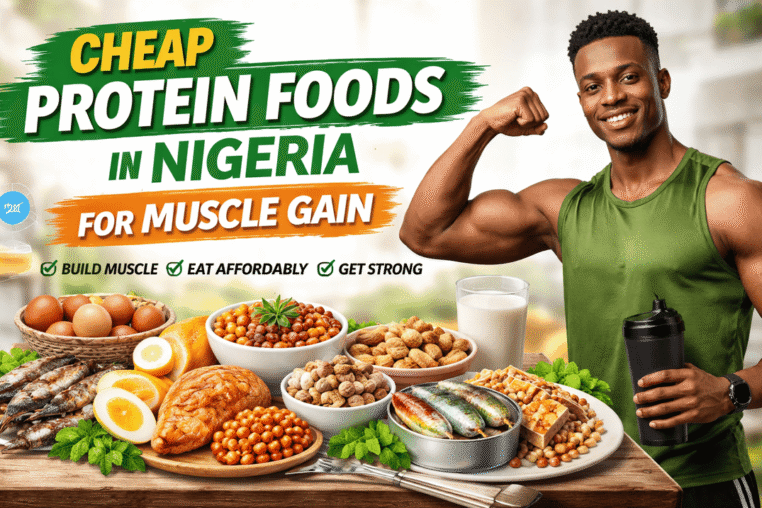
 Building muscle does not require an expensive diet loaded with imported supplements. Across Nigeria, from the bustling streets of Lagos to the markets of Kano and Onitsha, there is an abundance of protein-rich foods that are locally available, highly nutritious, and easy on the wallet. Whether you are a student training at a community gym, a working-class fitness enthusiast, or a beginner just starting your bodybuilding journey, this guide will show you exactly how to fuel your muscles without emptying your pocket.
Protein is the cornerstone of muscle repair and growth. After a training session, your muscle fibers need amino acids, the building blocks found in protein, to recover and grow stronger. The good news is that Nigeria’s food culture naturally offers some of the richest protein sources on the continent. You just need to know where to look and how to use them wisely.
1. Eggs – The Everyday Muscle Builder
Eggs are arguably the most complete and affordable protein source available to Nigerians. A single egg delivers roughly 6 to 7 grams of high-quality protein, along with essential amino acids, healthy fats, vitamins, and minerals. In most Nigerian markets and roadside stalls, eggs sell for very reasonable prices, making them accessible at almost every income level.
The versatility of eggs is another major advantage. You can boil, fry, scramble, or poach them. Add them to rice, oats, or even eat them on their own between meals to keep your protein intake consistent throughout the day.
Tip: Aim for 3 to 5 eggs per day if you are in a muscle-building phase. The yolk contains valuable nutrients, so avoid discarding it unless your doctor advises otherwise.
2. Beans – Nigeria’s Powerhouse Plant Protein
Beans are a staple in Nigerian cuisine for good reason. Brown beans, black-eyed peas, and kidney beans are all protein-dense, fiber-rich, and extremely cheap. A standard cup of cooked brown beans provides approximately 15 grams of protein, making it one of the best plant-based protein sources on the market.
Beans are particularly valuable for those who cannot afford meat every day. When combined with rice or other grains, they form a complete amino acid profile that supports muscle growth effectively. Popular Nigerian bean dishes such as ewa agoyin, moi moi, akara, and gbegiri soup make protein consumption both enjoyable and culturally familiar.
Tip: Pair beans with small portions of animal protein like eggs or fish to maximize the amino acid profile of your meal.
3. Mackerel and Catfish – Affordable Aquatic Protein
Fish is one of the most protein-dense, low-fat foods you can eat, and in Nigeria, it is readily available in both fresh and dried forms. Titus fish (Atlantic mackerel) is especially popular due to its low cost and impressive nutritional content. A single medium-sized Titus fish can provide between 20 and 30 grams of protein, along with omega-3 fatty acids that reduce inflammation and support recovery after exercise.
Fresh catfish, smoked fish, and dried stockfish are also widely used in Nigerian cooking and serve as excellent muscle-building ingredients. Even crayfish, though used in smaller amounts as a seasoning, adds meaningful protein when consumed regularly.
Tip: Steam or grill your fish to preserve its protein content. Avoid deep-frying excessively, as this adds unnecessary calories without enhancing muscle-building benefits.
4. Groundnuts (Peanuts) – The Portable Protein Snack
Groundnuts are often overlooked in muscle-building discussions, yet they pack a significant protein punch. A 100-gram serving of roasted peanuts contains roughly 25 to 26 grams of protein, along with healthy unsaturated fats and important micronutrients like magnesium and zinc. In Nigeria, groundnuts are sold on virtually every street corner at very low prices, making them one of the most budget-friendly protein snacks available.
Natural peanut butter, made from groundnuts without added sugars or oils, is another excellent option. Spread it on bread, mix it into oatmeal, or eat it straight from the jar as a pre-workout snack.
Tip: Combine groundnuts with a carbohydrate source before training to fuel your workout and protect your muscle tissue.
5. Soybean and Soy Products – Plant Protein at Its Best
Soybean is a complete protein, meaning it contains all nine essential amino acids that the human body cannot produce on its own. This makes it uniquely valuable among plant proteins. In Nigeria, soybeans are available in various forms, whole beans, soy milk, soy flour, and tofu, all at prices far lower than imported protein supplements.
Tofu, sometimes called “soy cheese,” is a versatile ingredient that can be fried, grilled, or used in soups and stews. A 100-gram serving of firm tofu provides around 8 to 10 grams of protein. Soy milk is another excellent option for blending into shakes and smoothies.
Tip: Use soy milk as a base for your post-workout shake instead of buying expensive commercial protein powders. Blend it with banana and groundnut butter for a highly nutritious recovery drink.
6. Offal and Budget Meat Cuts – Affordable Animal Protein
While premium beef and chicken breast may stretch the budget, cuts such as chicken liver, kidney, gizzard, and offal are significantly cheaper and still rich in protein and essential nutrients. Liver, in particular, is a nutritional goldmine, high in protein, iron, and B vitamins that support energy production and recovery.
These cuts are widely available in Nigerian markets and are commonly used in pepper soups, stews, and rice dishes. Incorporating them into your weekly meal plan is a practical strategy for maintaining high protein intake without overspending.
How to Structure a Budget Protein Diet Plan in Nigeria
Combining these protein sources strategically will help you hit your daily protein targets. A general guideline for muscle gain is to consume 1.6 to 2.2 grams of protein per kilogram of body weight each day. Here is a simple example daily plan:
- Breakfast:3 boiled eggs with oatmeal cooked in soy milk
- Mid-morning snack:A handful of roasted groundnuts
- Lunch:Brown beans stew with boiled rice and steamed Titus fish
- Afternoon snack:Peanut butter on whole-grain bread
- Dinner:Tofu stir-fry with vegetables, or catfish pepper soup with yam
This plan is fully achievable on a modest Nigerian budget, requires no imported supplements, and delivers all the protein needed to support consistent muscle growth.
Final Thoughts
Muscle building in Nigeria does not demand foreign supplements or expensive superfoods. The country’s local markets are stocked with powerful, affordable protein sources that have nourished generations of Nigerians long before the global fitness industry existed. Eggs, beans, fish, groundnuts, soybeans, and budget meat cuts are all you need to fuel real, measurable muscle growth.
Stay consistent with your training, prioritize sleep and recovery, and build your meals around these local protein foods. Your body, and your wallet, will thank you.