 Written by
 For centuries, cultures around the world have turned to natural remedies, mindfulness practices, and lifestyle rituals to support health and recovery. What was once dismissed by some as folklore is now being studied with real scientific tools, and researchers are increasingly finding measurable biological effects behind many traditional practices. This doesn’t mean natural healing replaces modern medicine. Instead, science is helping explain why certain natural approaches work and how they can meaningfully support the body’s own healing processes alongside conventional care.
The Mind-Body Connection
One of the most thoroughly researched areas of natural healing involves the relationship between mental state and physical health. The field of psychoneuroimmunology examines how thoughts, emotions, and stress levels influence the nervous, endocrine, and immune systems. Chronic stress has been linked to elevated cortisol levels, which over time can suppress immune function and slow the body’s natural repair processes.
The placebo effect offers additional insight into this connection. In clinical research, patients who believe they are receiving effective treatment sometimes experience genuine physiological improvement, even when given an inactive substance. This doesn’t suggest the original condition wasn’t real; it shows that expectation and belief can trigger measurable neurological and hormonal responses that influence how the body heals.
Herbal Remedies and Their Active Compounds
Plants have played a role in medicine for thousands of years, and modern chemistry has helped identify many of the compounds responsible for their effects. Turmeric contains curcumin, a compound researchers have studied for its anti-inflammatory properties. Ginger has shown effectiveness in reducing nausea across several clinical settings. Chamomile is widely used for its mild calming effect, likely connected to compounds that interact with specific receptors in the brain.
Not every herbal remedy is backed by strong evidence, however, and the quality, purity, and concentration of active compounds can vary significantly between products. Some herbs can also interact with prescription medications in ways that affect their safety or effectiveness. Anyone considering herbal supplements, particularly alongside existing treatment, should talk with a healthcare provider first.
Meditation and the Nervous System
Mindfulness meditation has become one of the most extensively studied natural practices in modern health research. Regular meditation has been associated with reduced activity in the sympathetic nervous system, which governs the body’s stress response, alongside increased activity in the parasympathetic system responsible for rest and recovery.
Brain imaging studies have found that consistent meditation practice is associated with structural changes in regions tied to attention, emotional regulation, and stress response. Some research also points to modest reductions in blood pressure and self-reported anxiety among regular practitioners. While meditation isn’t a substitute for treating diagnosed medical conditions, it appears to be a low-risk way to support overall nervous system balance and everyday resilience.
Sleep as the Body’s Repair Mechanism
Sleep may be the most powerful, and most overlooked, natural healing tool available. During deep sleep stages, the body increases production of growth hormone, which supports tissue repair and muscle recovery. The immune system also relies on sleep to produce and regulate proteins involved in fighting inflammation and infection.
Researchers have also identified the glymphatic system, a waste-clearance process in the brain that becomes significantly more active during sleep, helping remove metabolic byproducts that accumulate during waking hours. Consistently poor sleep has been linked to slower recovery from illness and greater vulnerability to chronic health problems, which helps explain why healthy sleep habits are considered a foundation of natural healing.
Nutrition as a Healing Tool
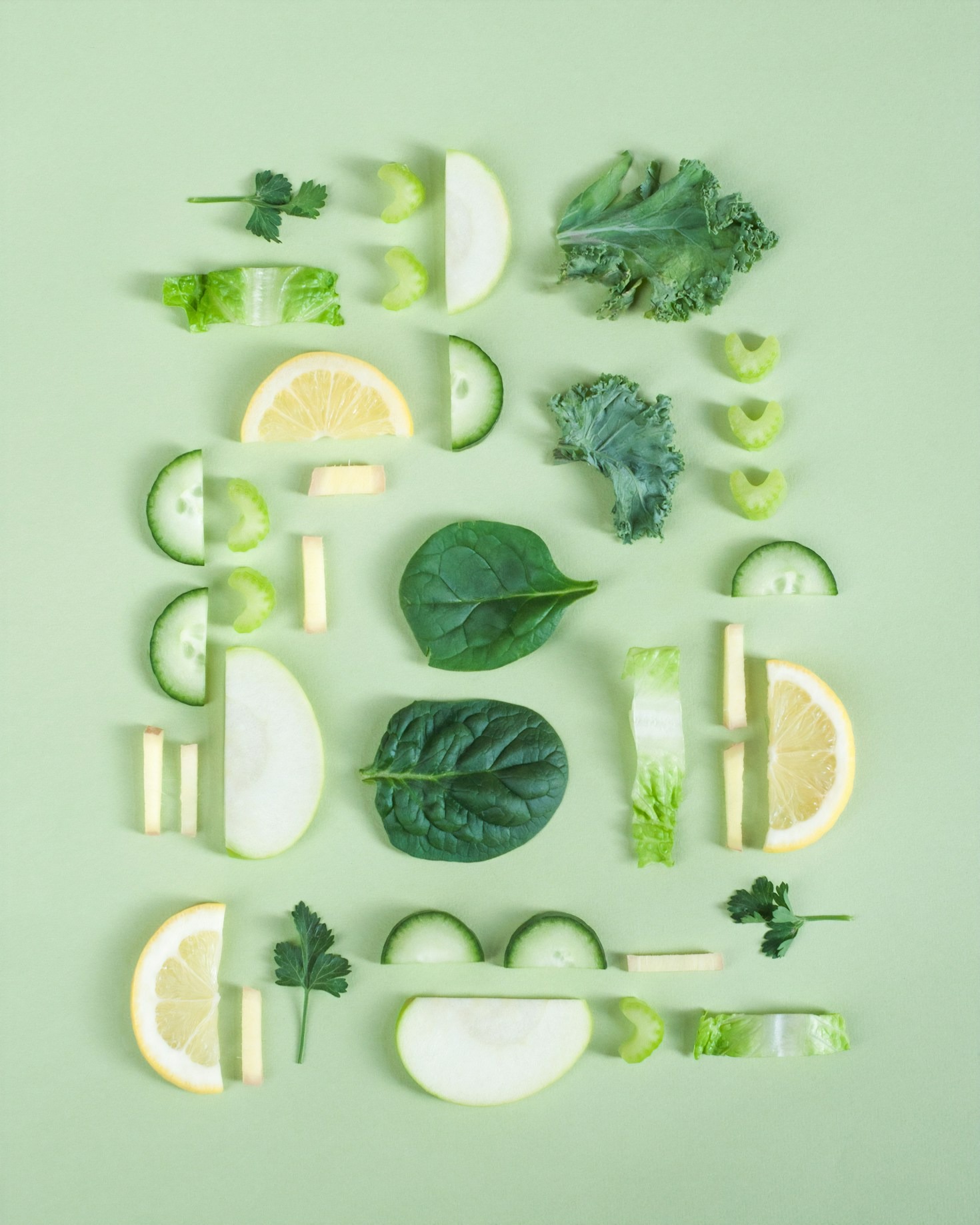
Diet plays a direct role in the body’s capacity to repair and defend itself. Foods rich in antioxidants, such as berries, leafy greens, and colorful vegetables, help neutralize free radicals that can damage cells over time. Diets with a strong anti-inflammatory profile, like the Mediterranean diet, have been studied for their association with lower markers of chronic inflammation.
Emerging research on the gut microbiome has also reshaped scientific understanding of healing. The trillions of bacteria living in the digestive tract appear to influence immune function, nutrient absorption, and even mood regulation through what scientists call the gut-brain axis. Diets rich in fiber and fermented foods are often associated with a more diverse, resilient microbiome.
Nature Exposure and Physical Recovery
Time spent in natural environments has measurable effects on the body. The Japanese practice of shinrin-yoku, or forest bathing, has been studied for its association with lower cortisol levels, reduced blood pressure, and improved mood. Access to green spaces has also been linked to lower reported stress levels among people living in urban environments.
Natural light exposure, especially earlier in the day, helps regulate the circadian rhythm, the internal clock that governs sleep, hormone release, and metabolic activity. A well-regulated circadian rhythm is associated with better sleep quality, which in turn supports more efficient healing throughout the body.
Combining Natural Approaches With Conventional Medicine
The strongest scientific evidence suggests natural healing methods work best as a complement to conventional medical care rather than a replacement for it, particularly for serious or chronic conditions. Practices like meditation, balanced nutrition, and consistent sleep can meaningfully support the body’s own repair systems, while herbal remedies should be approached carefully and with professional guidance, given the risk of interactions and inconsistent product quality.
A collaborative approach, one that integrates natural practices alongside guidance from doctors and other qualified professionals, tends to produce the best outcomes. Anyone managing a diagnosed health condition should consult a healthcare provider before making significant changes to their treatment routine.
Final Thoughts
Natural healing methods are no longer confined to tradition and anecdote. Ongoing scientific research continues to reveal how practices like meditation, quality sleep, balanced nutrition, and time in nature genuinely influence the body’s biological systems. Understanding the science behind these methods can help people make more informed choices about their health, using natural approaches not as a replacement for medical care, but as a valuable, evidence-supported part of a well-rounded approach to overall wellbeing.