
 Written by
 Your immune system is one of the most sophisticated and hardworking systems in the human body. Every single day, without any conscious effort on your part, it identifies and neutralizes threats, from airborne viruses and environmental toxins to bacteria and harmful cellular mutations. Yet despite its remarkable capability, the immune system is not impervious. Its strength, efficiency, and responsiveness are directly shaped by the lifestyle choices you make, and none of those choices carries more influence than what you choose to put on your plate.
Modern medicine has made tremendous strides in treating illness, but science increasingly confirms that prevention begins at the kitchen table. The nutrients your body extracts from food are the literal raw materials from which immune cells are built, antibodies are produced, and inflammation is regulated. When your diet consistently delivers those nutrients, your immune defenses remain sharp and reactive. When it does not, vulnerabilities accumulate, quietly, invisibly, until the body struggles to mount an adequate response when it needs to most.
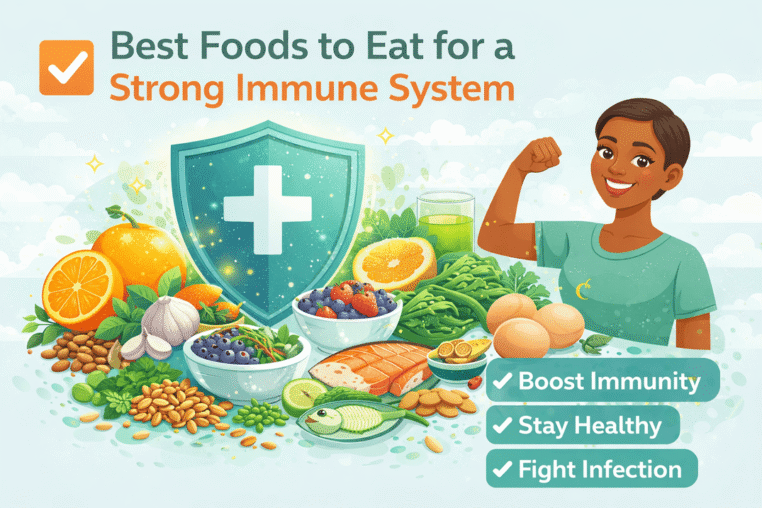
This article explores the best foods to eat for a strong immune system, explaining not just which foods matter but precisely why each one earns its place on this list.
The Food–Immunity Connection: Why Your Diet Defines Your Defenses
The immune system operates through a vast network of cells, tissues, proteins, and organs, including white blood cells, lymph nodes, the spleen, bone marrow, and the gut lining. Each component requires a continuous supply of specific vitamins, minerals, amino acids, and antioxidants to function optimally.
Vitamin C, for example, stimulates the production and activity of white blood cells. Zinc is essential for the development of immune cells and the regulation of inflammatory responses. Vitamin D modulates the immune system’s behavior, preventing it from overreacting while ensuring it responds firmly to genuine threats. Antioxidants from plant foods neutralize free radicals that would otherwise damage immune cells and create systemic inflammation.
When these nutrients are consistently present in your diet, the immune system operates at its peak. When they are chronically absent, even a common cold becomes harder to shake.
1. Citrus Fruits – The Vitamin C Powerhouse
Oranges, grapefruits, lemons, limes, and tangerines are celebrated for their vitamin C content, and rightfully so. Vitamin C is one of the most well-established immune-supporting nutrients known to science. It encourages the production of white blood cells, the immune system’s primary soldiers, and also functions as a potent antioxidant that shields those cells from damage during an active immune response.
What many people overlook is that the human body neither produces nor stores vitamin C, which makes daily dietary intake non-negotiable. A medium orange provides roughly 70 milligrams, well on the way to the recommended daily intake of 65 to 90 milligrams for most adults. Starting the day with freshly squeezed citrus juice or eating whole citrus fruits as snacks is one of the simplest habits you can build for long-term immune resilience.
2. Garlic – A Natural Antimicrobial Agent
Garlic has been used across cultures for thousands of years not merely as a flavoring ingredient but as a medicinal plant with genuine therapeutic properties. The compound responsible for most of its immune benefits is allicin, a sulfur-containing molecule that is released when a clove of garlic is crushed or chopped.
Allicin has demonstrated meaningful antimicrobial activity against a range of bacteria, viruses, and fungi in laboratory settings. Beyond allicin, garlic also contains compounds that stimulate immune cell activity and reduce the duration and severity of common respiratory infections. Incorporating two to three cloves of raw or lightly cooked garlic into your meals daily is a low-effort, high-reward practice for immune support.
3. Ginger – Anti-Inflammatory and Deeply Protective
Fresh ginger root contains a remarkable concentration of bioactive compounds, with gingerol being the most immunologically significant. Gingerol possesses both anti-inflammatory and antioxidant properties that directly support immune function by reducing the chronic low-grade inflammation that weakens the body’s ability to respond to acute threats.
Ginger also supports the immune system indirectly by soothing the digestive tract and improving gut motility. Since a substantial portion of immune activity is coordinated in the gut, a healthy digestive environment translates meaningfully into stronger overall immune performance. Fresh ginger tea, ginger added to soups and stews, or raw ginger blended into smoothies all deliver these benefits effectively.
4. Turmeric – Curcumin’s Immune–Activating Power
Turmeric’s vivid golden color comes from curcumin, a polyphenol compound with some of the most extensively studied anti-inflammatory properties in the nutrition science world. Chronic inflammation systematically weakens immune function over time, and curcumin addresses this at a cellular level by inhibiting the molecular pathways that drive persistent inflammatory responses.
Curcumin also appears to modulate the behavior of specific immune cells, including T cells, B cells, and natural killer cells, helping the body maintain an appropriate and effective immune posture. To maximize curcumin absorption, consume turmeric alongside black pepper, which contains piperine, a compound that enhances curcumin bioavailability by up to 2,000 percent according to available research.
5. Yogurt and Fermented Foods – The Gut-Immunity Highway
The relationship between gut health and immune function is one of the most significant discoveries in nutritional science over the past two decades. Approximately 70 percent of the body’s immune activity is coordinated in and around the gut lining, making the state of your digestive microbiome a central determinant of your immune capability.
Plain, live-culture yogurt introduces beneficial probiotic bacteria into the gut that help maintain the microbial balance necessary for optimal immune regulation. Other fermented foods, including kefir, sauerkraut, kimchi, miso, and fermented locust beans, deliver similar probiotic benefits. Choose yogurt labeled with “live and active cultures” and consume it daily, ideally without added sugar, to preserve its immunological value.
6. Spinach and Dark Leafy Greens–Micronutrient Dense and Inflammation Fighting
Spinach, kale, collard greens, and similar dark leafy vegetables are among the most nutritionally comprehensive foods available. They deliver vitamin C, vitamin E, beta-carotene, folate, iron, and magnesium, a collection of micronutrients that collectively support multiple arms of the immune system simultaneously.
Beta-carotene, converted to vitamin A in the body, plays a particular role in maintaining the integrity of the mucosal barriers in the respiratory and digestive tracts, the body’s first physical line of defense against pathogens. Eating leafy greens lightly steamed rather than raw improves the availability of certain nutrients, though both preparations offer significant immune benefits.
7. Almonds – Vitamin E for Cellular Immune Defense
Vitamin E is a fat-soluble antioxidant that protects immune cell membranes from oxidative damage and supports the functional activity of T-lymphocytes, which are among the immune system’s most targeted and powerful cell types. Almonds are one of the single richest dietary sources of vitamin E, with a small 28-gram handful delivering nearly 50 percent of the recommended daily value.
The healthy fats in almonds are also necessary for the absorption of vitamin E, making almonds a uniquely self-sufficient source, the fat and the nutrient arrive together in the same food. A daily small handful of raw almonds makes for a convenient, shelf-stable immune-supporting snack.
8. Green Tea – EGCG and Immune Cell Enhancement
Green tea contains a powerful antioxidant compound called epigallocatechin gallate, or EGCG, which has been shown in research to enhance immune cell function and inhibit the replication of certain viruses. Unlike black tea, green tea is minimally processed, which preserves much higher concentrations of its biologically active polyphenols.
Green tea also contains the amino acid L-theanine, which may support the production of germ-fighting compounds in specific immune cells. Drinking two to four cups of unsweetened green tea daily is a pleasant and practical way to supply the immune system with a steady stream of these protective compounds.
9. Sunflower Seeds – Selenium and Vitamin E Combined
Sunflower seeds are a nutritionally overlooked immune powerhouse. They are extraordinarily rich in both vitamin E and selenium, two nutrients that operate synergistically to maintain immune cell health and regulate the inflammatory response. Selenium, in particular, is essential for the production of selenoproteins that control oxidative stress and modulate immune signaling pathways.
A deficiency in selenium is directly associated with impaired immune responses and increased susceptibility to viral infections. A small handful of sunflower seeds added to salads, oatmeal, or consumed as a standalone snack provides a meaningful contribution toward your daily selenium and vitamin E requirements.
10. Berries – Anthocyanin-Rich Immune Shields
Blueberries, strawberries, raspberries, and blackberries derive their deep, vivid colors from anthocyanins, a class of flavonoid antioxidants with potent immune-supporting properties. Anthocyanins enhance the function of natural killer cells, reduce systemic inflammation, and protect immune cells from the oxidative stress generated during active infections.
Berries are also excellent sources of vitamin C and fiber, adding further immune and digestive benefits to their nutritional profile. Fresh or frozen berries add well to morning oatmeal, smoothies, and yogurt bowls, making it straightforward to include them in your daily eating routine without additional effort.
Habits That Amplify the Impact of Immune–Boosting Foods
Even the most carefully assembled immune-supporting diet delivers better results when paired with complementary lifestyle habits:
Prioritize consistent sleep. The immune system carries out critical repair and memory-formation processes during sleep. Consistently sleeping fewer than seven hours per night measurably impairs immune cell function and slows recovery from illness, regardless of dietary quality.
Manage stress actively. Prolonged psychological stress triggers the sustained release of cortisol, which suppresses immune activity over time. Practices such as deep breathing, walking in nature, journaling, and maintaining social connections all help regulate the stress response and protect immune health.
Stay adequately hydrated. Water is essential for the production of lymph, the fluid that transports immune cells throughout the body. Even mild dehydration reduces lymphatic circulation and slows the immune system’s ability to detect and respond to threats.
Foods That Undermine Immune Function
A strong immune diet is not only about what you add, it is equally about what you reduce. Certain dietary patterns actively suppress immune function:
- Excess added sugarimpairs the ability of white blood cells to engulf and destroy pathogens for several hours after consumption
- Ultra-processed foodsintroduce inflammatory compounds and displace more nutritious options from the diet
- Excessive alcoholinterferes with the production and activity of immune cells and disrupts the gut microbiome
- Chronic undereatingdeprives the immune system of the calories and nutrients it needs for cellular maintenance and antibody production
Conclusion
A strong immune system is not built in a single day or by a single superfood. It is the cumulative result of consistent, nutrient-rich dietary choices that give your body everything it needs to defend itself effectively. The foods covered in this article, citrus fruits, garlic, ginger, turmeric, yogurt, leafy greens, almonds, green tea, sunflower seeds, and berries, each contribute distinct and meaningful benefits to immune function.
Introduce them gradually, build meals around them intentionally, and pair them with adequate sleep, manageable stress, and proper hydration. That combination does not merely reduce your chances of getting sick, it fundamentally transforms the resilience and responsiveness of the body you live in every day.