
 Written by
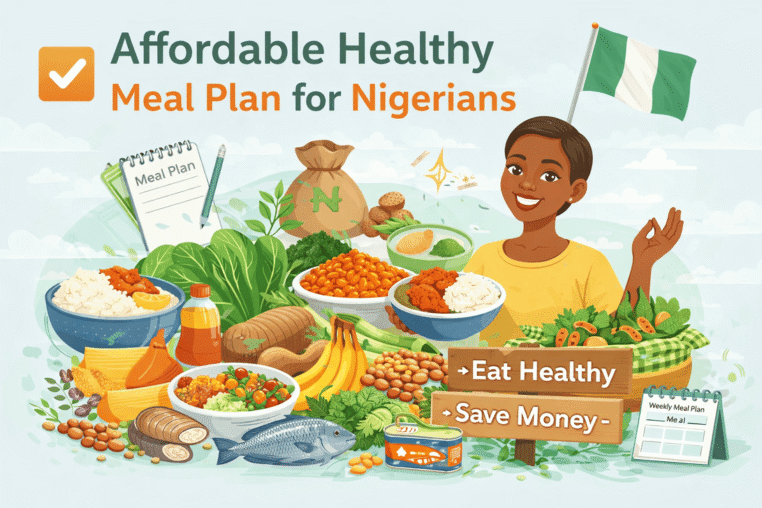
 Eating healthy in Nigeria does not have to drain your wallet. Many Nigerians assume that nutritious food is expensive, reserved for those with deep pockets or access to imported goods. The truth, however, tells a completely different story. Nigeria is richly blessed with affordable, nutrient-dense local foods that can fuel your body, support your health goals, and keep your budget comfortably intact. With the right knowledge, planning, and a little creativity in the kitchen, you can build a satisfying and wholesome meal routine without financial stress.
This guide walks you through everything you need, local superfoods, a sample weekly meal plan, smart shopping strategies, and practical tips to make healthy eating a lifestyle, not a luxury.
Why Healthy Eating on a Budget Is Very Possible in Nigeria
Nigeria’s local markets, from Mile 12 in Lagos to Eke Awka in Anambra or Monday Market in Maiduguri, overflow with fresh, seasonal produce that is both cheap and incredibly nutritious. The problem is not availability; it is awareness.
Many Nigerians unknowingly bypass some of the most powerful health foods while chasing processed snacks, carbonated drinks, and fast food. By shifting your attention back to local staples, you unlock a treasure chest of affordable nutrition. Whole grains, legumes, leafy greens, local fruits, and healthy proteins are readily available across Nigerian markets at prices that suit virtually every income level.
The key is intentional planning. When you know what to buy, when to buy it, and how to prepare it, healthy eating becomes both easy and economical.
Budget-Friendly Nigerian Superfoods to Build Your Meals Around
These locally sourced foods are nutritional powerhouses and are available in most Nigerian markets at affordable prices:
Beans (Ewa/Ndengu): One of the richest plant-based proteins available in Nigeria. Black-eyed beans, brown beans, and honey beans are cheap, filling, and incredibly versatile. They supply iron, fibre, and complex carbohydrates that sustain energy for hours.
Ugu (Fluted Pumpkin Leaves): Packed with iron, calcium, potassium, and vitamins A and C, ugu is one of the most nutritious leafy vegetables in Nigeria, and it costs very little. Add it to soups, stews, or smoothies for an easy nutritional boost.
Crayfish and Stockfish: These dried seafood options add protein and omega-3 fatty acids to meals without the cost of fresh fish. A small quantity goes a very long way in flavoring your soups and stews.
Plantain: Ripe or unripe, plantain is a fantastic source of complex carbohydrates, potassium, and dietary fibre. It is filling, affordable, and can be prepared in multiple ways, boiled, roasted, fried, or added to porridge.
Oats: Relatively inexpensive and nutritionally outstanding, oats offer a quick, fibre-rich breakfast that stabilizes blood sugar and keeps you full through the morning.
Groundnuts (Peanuts): A cheap, protein-rich snack that also provides healthy fats and magnesium. Eat them roasted as a snack or blend them into groundnut soup.
Eggs: One of the most complete protein sources available, eggs are affordable across Nigeria and can be prepared in minutes. They work well for breakfast, lunch additions, or light dinners.
Sweet Potatoes: Rich in beta-carotene, vitamin C, and slow-digesting carbohydrates, sweet potatoes are both cheap and incredibly nourishing. They make an excellent alternative to refined white rice.
A Sample Affordable Weekly Meal Plan for Nigerians
Here is a practical, budget-conscious meal plan using common Nigerian ingredients:
Monday
- Breakfast: Oat porridge with groundnuts and a banana
- Lunch: Brown rice with ugu leaf and crayfish soup
- Dinner: Beans porridge with a side of boiled plantain
Tuesday
- Breakfast: Boiled eggs (two) with sliced tomatoes and cucumber
- Lunch: Yam and vegetable stew with stockfish
- Dinner: Moi moi (bean pudding) with akamu (corn pap)
Wednesday
- Breakfast: Oat porridge with a ripe banana
- Lunch: Ofada rice with ayamase sauce and a small portion of beef
- Dinner: Vegetable soup with fufu (made from cassava or plantain)
Thursday
- Breakfast: Sweet potato and egg scramble
- Lunch: Beans and plantain porridge (Unripe plantain and beans cooked together)
- Dinner: Egusi soup with a moderate portion of eba
Friday
- Breakfast: Akamu with groundnut paste (no-sugar version)
- Lunch: Grilled or boiled fish with garden egg stew and boiled yam
- Dinner: Boiled sweet potato with ugu leaf stir-fry
Saturday
- Breakfast: Whole wheat bread with boiled eggs and fresh fruit
- Lunch: Nigerian pepper soup with fish or chicken (use minimal oil)
- Dinner: Brown rice and tomato-based stew with mixed vegetables
Sunday
- Breakfast: Oat pancakes with pineapple chunks
- Lunch: Jollof brown rice with steamed vegetables and grilled chicken
- Dinner: Light beans soup with boiled plantain
Smart Shopping Tips to Stretch Your Naira Further
Buy in season: Seasonal produce is always cheaper and fresher. Tomatoes, leafy greens, and fruits bought during peak season cost significantly less and taste better.
Shop at open markets instead of supermarkets: Open-air markets almost always offer lower prices for the same quality of food. Developing a good relationship with your regular sellers can also earn you better deals over time.
Buy in bulk when possible: Staples like beans, rice, garlic, and onions are cheaper per unit when purchased in larger quantities. Store them properly to avoid spoilage.
Cook from scratch: Pre-made, packaged, or processed foods cost considerably more per serving than home-cooked meals. Preparing your meals fresh from raw ingredients saves money and reduces your intake of unhealthy additives.
Plan before you shop: Walking into a market without a list almost always leads to impulse buying. Write out your weekly meals, extract your ingredient list, and stick to it strictly.
Simple Meal Prep Strategies That Save Time and Money
Prepare large batches of beans, stews, or soups on weekends and store them in portions throughout the week. This reduces daily cooking time and prevents the temptation of buying unhealthy fast food when you are tired. Freeze what you will not use within two days to preserve freshness and avoid waste.
Also, invest in a good thermos or food flask. This allows you to carry home-cooked lunches to work or school, cutting down on expensive, often unhealthy outside food purchases.
Final Thoughts
Healthy eating in Nigeria is neither complicated nor expensive. It simply requires shifting away from convenience foods and returning to the wholesome, nutritious local ingredients that have sustained generations of Nigerians. With a solid meal plan, smart market habits, and basic cooking skills, you can nourish your body every single day without straining your budget.
Start small, pick two or three meals from this plan this week and build from there. Your health is your most valuable asset, and fortunately, protecting it in Nigeria does not have to cost a fortune.