
 Written by
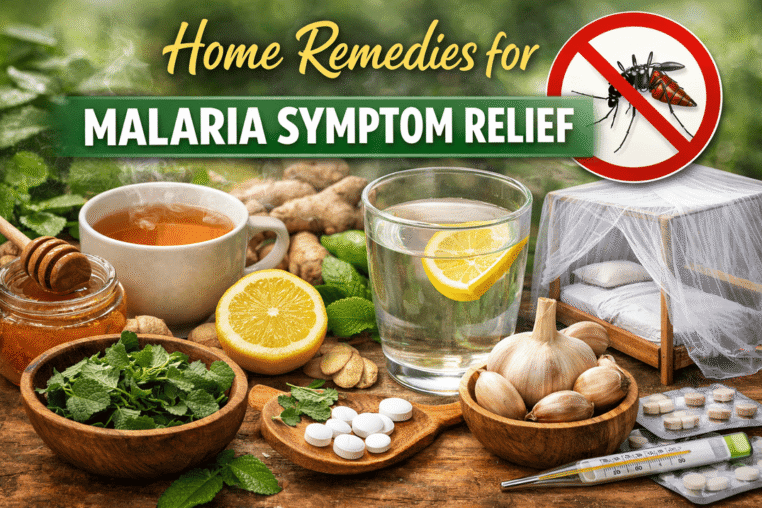
 Malaria remains a common health concern in many tropical regions, including parts of Africa, Asia, and South America. While it is important to seek proper medical treatment for malaria, many people look for supportive home remedies to help relieve symptoms and improve comfort during recovery.
In this article, we’ll explore safe and natural home remedies that can help ease malaria symptoms without violating health guidelines. These remedies are not a replacement for medical care but can complement treatment and promote overall well-being.
Understanding Malaria Symptoms
Malaria is caused by parasites transmitted through the bite of infected mosquitoes. Common symptoms include:
-
High fever
-
Chills and sweating
-
Headaches
-
Muscle pain
-
Fatigue
-
Nausea and vomiting
Because malaria can become severe quickly, early diagnosis and proper medication are essential. However, supportive home care can make a big difference in how you feel during recovery.
1. Stay Hydrated
One of the most important steps in managing malaria symptoms is staying well-hydrated. Fever and sweating can lead to fluid loss, which may worsen weakness and headaches.
What to drink:
-
Clean water
-
Coconut water
-
Oral rehydration solutions
-
Fresh fruit juices (like orange or watermelon)
Drinking fluids regularly helps maintain body balance and supports recovery.
2. Rest and Proper Sleep
Malaria can leave you feeling extremely weak and tired. Giving your body enough rest allows your immune system to fight the infection more effectively.
Tips:
-
Sleep in a cool, well-ventilated room
-
Avoid strenuous activities
-
Take short naps during the day if needed
Rest is not just helpful, it’s essential for recovery.
3. Use of Warm Herbal Teas
Herbal teas can provide comfort and may help reduce symptoms like nausea and headaches.
Popular options:
-
Ginger tea
-
Lemongrass tea
-
Neem leaf infusion (in moderation)
Ginger, in particular, is known for its soothing effect on the stomach and may help reduce nausea.
4. Manage Fever Naturally
Fever is one of the most common symptoms of malaria. While medications may be prescribed, you can also use simple home methods to stay comfortable.
Natural approaches:
-
Lukewarm sponge baths
-
Light clothing
-
Keeping your environment cool
Avoid very cold baths, as they may cause discomfort or chills.
5. Eat Light and Nutritious Foods
During malaria, your appetite may decrease. However, eating light and nutritious meals helps maintain strength and supports recovery.
Recommended foods:
-
Pap (ogi) or porridge
-
Boiled rice with vegetables
-
Fruits like bananas, oranges, and apples
-
Soups and broths
Avoid heavy, oily, or spicy foods that may irritate your stomach.
6. Bitter Leaf Water
Bitter leaf is commonly used in traditional remedies in many African homes. It is believed to support general health and may help reduce discomfort.
How to use:
-
Wash fresh bitter leaves thoroughly
-
Squeeze out the juice
-
Drink small amounts once or twice daily
Note: Use in moderation and ensure proper hygiene when preparing.
7. Maintain a Clean Environment
Preventing further mosquito bites is crucial during recovery.
Simple steps:
-
Sleep under a mosquito net
-
Use insect repellents
-
Keep your surroundings clean and free of stagnant water
This helps prevent reinfection and protects others in your home.
8. Garlic and Honey Mixture
Garlic has natural compounds that may support the immune system, while honey provides energy and soothes the body.
How to use:
-
Crush a few cloves of garlic
-
Mix with a teaspoon of honey
-
Take once daily
This mixture is easy to prepare and may help boost overall wellness.
9. Lemon Water for Detox Support
Lemon water is refreshing and may help reduce nausea while supporting hydration.
Benefits:
-
Provides vitamin C
-
Helps with digestion
-
Refreshes the body during fever
Simply squeeze fresh lemon into warm or cool water and drink regularly.
10. Monitor Your Condition
While home remedies can provide relief, it is very important to monitor symptoms closely.
Seek medical attention if:
-
Fever persists for several days
-
You experience severe weakness
-
There is vomiting or inability to eat
-
Symptoms worsen instead of improving
Malaria can become serious if not treated properly, so always follow medical advice.
Important Safety Note
Home remedies are meant to support comfort and recovery, not to cure malaria. Always consult a qualified healthcare provider for diagnosis and treatment. Antimalarial medications are necessary to fully treat the infection.
Final Thoughts
Managing malaria symptoms at home involves a combination of rest, hydration, proper nutrition, and simple natural remedies. These approaches can help you feel more comfortable while your body recovers.
However, the most important step is to seek proper medical care and follow prescribed treatments. Combining medical advice with safe home care practices ensures the best outcome for your health.
Stay safe, take preventive measures against mosquito bites, and prioritize your well-being at all times.