
 Written by
 A stomach ulcer is not simply a case of indigestion or a temporary bout of discomfort. It is an open sore that develops on the protective inner lining of the stomach or the upper section of the small intestine, caused when that lining becomes eroded and can no longer shield itself from digestive acids. Millions of adults live with the nagging burning sensation, bloating, and unpredictable pain that ulcers produce, often without knowing that natural, home-based strategies can play a meaningful role in their recovery.
While medical evaluation is always the right first step, particularly for confirmed or severe cases, natural remedies offer genuine complementary support that addresses both symptoms and underlying vulnerabilities. Here is a comprehensive, safe, and research-informed guide to managing stomach ulcers naturally as an adult.
Understanding What Triggers Stomach Ulcers
Before turning to remedies, understanding the root cause is essential. Two factors account for the overwhelming majority of stomach ulcers in adults: a bacterial infection caused by Helicobacter pylori (H. pylori) and chronic use of nonsteroidal anti-inflammatory drugs (NSAIDs) like aspirin and ibuprofen. Both compromise the stomach’s mucous barrier, the gel-like protective coating that prevents stomach acid from digesting the stomach wall itself.
Stress and poor dietary habits are not direct causes, but they significantly worsen existing ulcers and delay healing. Addressing the root cause medically, while using natural strategies to rebuild and protect the mucosal lining, produces the most effective and lasting results.
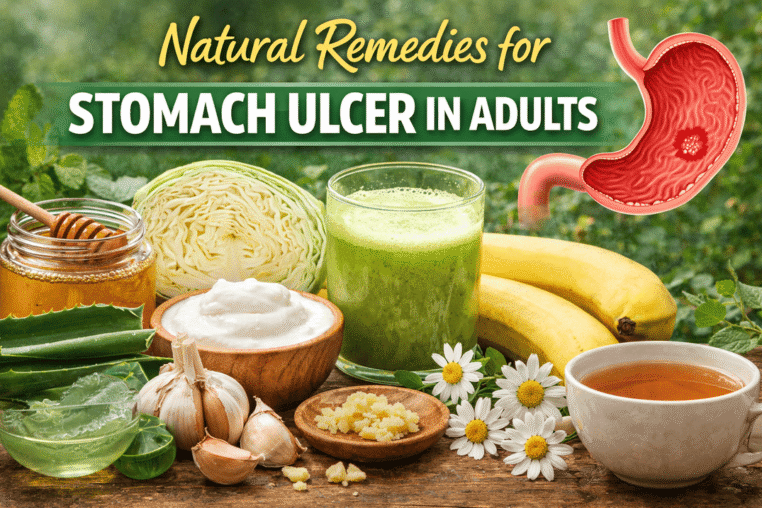
1. Raw Honey – Nature’s Antibacterial Ally
Raw honey, especially Manuka honey from New Zealand, carries a powerful combination of antibacterial compounds including hydrogen peroxide and methylglyoxal. Studies examining these compounds have shown inhibitory effects against H. pylori strains, making raw honey more than just a comfort food, it is a functional digestive aid.
Beyond its antibacterial properties, raw honey contains flavonoids that reduce oxidative damage in the gastric lining and encourage tissue regeneration. Taking one tablespoon of raw honey on an empty stomach each morning is a widely practiced approach among adults managing ulcers. Crucially, only raw or minimally processed honey retains these therapeutic properties; commercial varieties lose most of their enzymatic activity through heat treatment. While raw honey works excellently as a daily complement, it should never replace prescribed antibiotic therapy in confirmed H. pylori cases.
2. Fresh Cabbage Juice – An Underrated Ulcer Healer
Cabbage juice ranks among the most studied traditional remedies for stomach ulcers, and its reputation is well earned. Cabbage is one of the richest plant-based sources of L-glutamine, an amino acid that directly fuels the regenerative process of the intestinal epithelium, the cell layer forming the stomach’s inner wall.
Decades of clinical observation suggest that adults consuming fresh cabbage juice daily experienced noticeably faster ulcer healing compared to those relying solely on conventional interventions. The mechanism lies in glutamine’s ability to nourish and rapidly rebuild damaged mucosal cells. To prepare it, blend half a small green cabbage with water, strain lightly, and consume 100–150ml on an empty stomach each morning. Begin with smaller quantities and increase gradually to allow your digestive system to adjust comfortably.
3. Probiotics and Fermented Foods
The health of the gut microbiome has a more profound influence on stomach ulcer recovery than most people appreciate. Beneficial bacteria compete with H. pylori for colonization space along the gastric lining, reinforce the mucosal barrier, and help reduce the digestive side effects that accompany antibiotic treatment.
Adults managing ulcers should incorporate probiotic-rich foods into their daily diet: unsweetened plain yogurt, kefir, naturally fermented sauerkraut, and miso soup. These sources deliver a diverse range of live bacterial strains that work synergistically to improve the overall digestive environment. For concentrated support, a high-quality probiotic supplement containing Lactobacillus acidophilus and Bifidobacterium longum strains is worth exploring under professional guidance.
4. Deglycyrrhizinated Licorice (DGL)
Licorice root has been used in herbal medicine across multiple cultures for centuries to treat digestive complaints, and its modified form, deglycyrrhizinated licorice (DGL), addresses one of the most important mechanisms in ulcer formation: insufficient stomach mucus.
DGL stimulates the production of protective mucus within the stomach lining, creating a thicker barrier against acid erosion. Unlike standard licorice root, DGL has the glycyrrhizin compound removed, eliminating the risk of elevated blood pressure associated with prolonged use. It is available in chewable tablet form and is typically taken fifteen minutes before each meal. Always seek guidance from a healthcare provider before incorporating DGL into your routine, particularly if you are already on prescription medications.
5. Aloe Vera Juice
Well known for its remarkable ability to soothe irritated skin, aloe vera carries equally impressive properties within the digestive tract. Its active constituents, acemannan and specific anthraquinones, work to reduce gastric inflammation, neutralize excess stomach acid, and accelerate the repair of damaged mucosal tissue. Research published in peer-reviewed medical journals has noted measurable reductions in ulcer-related symptoms and H. pylori activity in subjects consuming aloe vera gel consistently.
For internal use, consume 30–50ml of food-grade aloe vera juice before meals daily. Always verify that the product is specifically formulated for consumption and contains no added sugars, artificial colors, or preservatives. Never apply topical aloe gel products internally, as these are processed differently and are not safe for ingestion.
6. Dietary Changes That Actively Promote Healing
Your daily food choices function either as medicine or as fuel for further damage when it comes to stomach ulcers. The strategic goal is to nourish the mucosal lining while avoiding anything that stimulates excess acid production.
Prioritize these healing foods:
- Broccoli and broccoli sprouts: rich in sulforaphane, which demonstrates direct anti-H. pylori activity in research
- Turmeric: curcumin reduces ulcer-related inflammation and supports epithelial cell recovery
- Bananas: stimulate mucus secretion and gently buffer stomach acidity
- Oatmeal and whole grains: soluble fiber forms a light coating that protects the stomach wall
- Garlic: a natural antimicrobial shown to inhibit H. pylori adhesion in clinical studies
Strictly avoid:
- Alcohol and carbonated beverages
- Coffee and high-caffeine drinks
- Spicy, fried, or heavily acidic foods
- Refined sugar and ultra-processed snacks
7. Lifestyle Habits That Accelerate Recovery
Natural remedies deliver their best results when combined with deliberate changes in daily habits. Chronic psychological stress elevates cortisol levels, which directly reduces the stomach’s mucus output and increases acid secretion, a dual impact that slows ulcer healing considerably.
Introduce diaphragmatic breathing exercises after meals to support the parasympathetic nervous system. Eat smaller, more frequent meals throughout the day rather than large portions that strain the stomach and provoke acid surges. Prioritize seven to eight hours of quality sleep nightly, as cellular repair in the digestive lining primarily occurs during deep sleep cycles. If you smoke, cessation is one of the most impactful steps you can take, nicotine constricts blood flow to the gastric lining and directly impairs the regeneration process.
Final Thoughts and Important Medical Disclaimer
Natural remedies for stomach ulcers can genuinely accelerate healing, ease symptoms, and reduce recurrence when used thoughtfully and consistently. However, they are supportive tools, not replacements for medical diagnosis and treatment. If you experience persistent or worsening abdominal pain, unexplained weight loss, dark or tarry stools, or vomiting that resembles coffee grounds, seek medical attention without delay, as these indicate complications requiring urgent care.
Start with one or two strategies, track your body’s response over two weeks, and build from there. The stomach lining has a remarkable capacity for self-repair, what it needs most is a consistent environment of nourishment, reduced irritation, and patient, informed support.