
 Written by
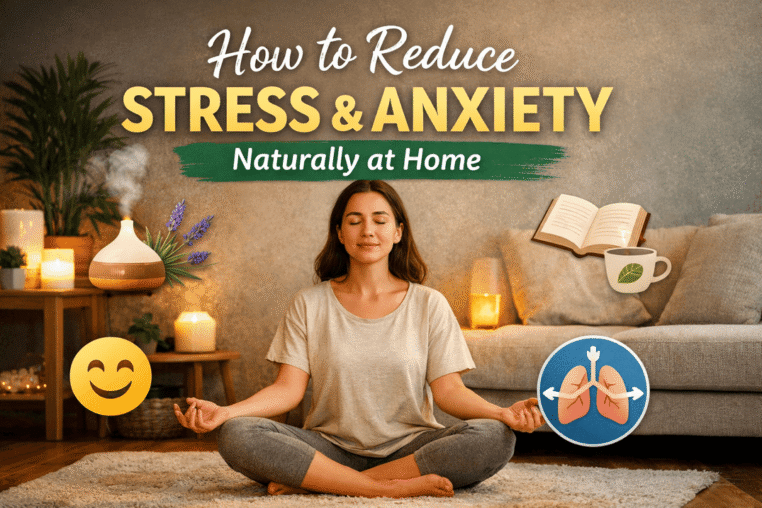
 How to Reduce Stress and Anxiety Naturally at Home
Introduction
Stress and anxiety have become common challenges in today’s fast-paced world. Whether it’s due to work pressure, financial concerns, or personal issues, many people experience overwhelming feelings that affect their mental and physical health. While medications can help in severe cases, there are many natural and effective ways to manage stress and anxiety right from the comfort of your home.
In this guide, you’ll discover practical, safe, and natural methods to help you feel calmer, more balanced, and in control of your emotions.
1. Practice Deep Breathing Techniques
One of the simplest ways to reduce stress instantly is through deep breathing. When you feel anxious, your breathing becomes shallow and rapid, which can make symptoms worse.
Try this simple method:
- Inhale slowly through your nose for 4 seconds
- Hold your breath for 4 seconds
- Exhale slowly through your mouth for 6 seconds
Repeat this for a few minutes daily. Deep breathing helps calm your nervous system and reduces the physical symptoms of anxiety.
2. Exercise Regularly at Home
Physical activity is a powerful stress reliever. Exercise releases endorphins, also known as “feel-good hormones,” which naturally improve your mood.
You don’t need a gym to get started. You can:
- Do home workouts
- Practice yoga
- Take short walks around your neighborhood
- Follow online fitness videos
Even 20–30 minutes of daily movement can significantly reduce stress levels and improve overall mental health.
3. Maintain a Healthy Diet
What you eat plays a major role in how you feel. A balanced diet helps stabilize your mood and energy levels.
Focus on:
- Fresh fruits and vegetables
- Whole grains
- Lean proteins
- Healthy fats like nuts and seeds
Avoid excessive caffeine, sugar, and processed foods, as they can increase anxiety and cause mood swings.
4. Get Enough Sleep
Lack of sleep can make stress and anxiety worse. Aim for 7–9 hours of quality sleep each night.
To improve your sleep:
- Create a consistent bedtime routine
- Avoid screens before bedtime
- Keep your room dark and quiet
- Limit late-night eating
Good sleep helps your mind and body recover, making it easier to handle daily challenges.
5. Practice Mindfulness and Meditation
Mindfulness means focusing on the present moment without judgment. Meditation is a powerful way to train your mind to stay calm and centered.
Simple mindfulness practices include:
- Paying attention to your breathing
- Observing your thoughts without reacting
- Practicing gratitude daily
Start with just 5–10 minutes a day and gradually increase the time. Over time, you’ll notice improved focus and reduced anxiety.
6. Stay Connected with Loved Ones
Social support is essential for emotional well-being. Talking to someone you trust can help you feel understood and less alone.
You can:
- Call or message friends and family
- Share your feelings openly
- Spend quality time with loved ones
Even a short conversation can lift your mood and reduce stress.
7. Limit Social Media and News Consumption
Constant exposure to negative news or social media can increase anxiety. It’s important to set boundaries.
Tips:
- Limit screen time
- Avoid checking news first thing in the morning
- Follow positive and uplifting content
Taking breaks from digital platforms can help you feel more relaxed and focused.
8. Try Natural Relaxation Techniques
There are several natural methods you can use at home to relax your mind and body.
Some effective options include:
- Listening to calming music
- Taking warm baths
- Using aromatherapy (like lavender oil)
- Reading a book
These activities help create a peaceful environment and reduce tension.
9. Organize Your Space
A cluttered environment can contribute to stress. Keeping your home clean and organized can have a positive impact on your mental health.
Start small:
- Declutter one area at a time
- Keep your workspace tidy
- Create a relaxing corner in your home
A clean space can help you feel more in control and less overwhelmed.
10. Set Realistic Goals and Take Breaks
Trying to do too much at once can increase stress. Break tasks into smaller, manageable steps.
Remember to:
- Set achievable daily goals
- Take short breaks during work
- Avoid overloading your schedule
Balancing productivity with rest is key to maintaining mental well-being.
11. Practice Positive Thinking
Your mindset plays a big role in how you handle stress. Negative thoughts can increase anxiety, while positive thinking can help you stay calm.
Try:
- Replacing negative thoughts with positive ones
- Writing down things you’re grateful for
- Celebrating small achievements
Over time, this habit can improve your overall outlook on life.
Conclusion
Reducing stress and anxiety naturally at home is possible with simple lifestyle changes and consistent habits. By practicing deep breathing, staying active, eating well, and maintaining strong social connections, you can improve your mental health and live a more balanced life.
Remember, it’s okay to seek professional help if your stress or anxiety becomes overwhelming. Combining natural methods with proper support can lead to long-term well-being.