
 Written by
 Hepatitis is a disorder that brings about pain in the liver, a body part that takes charge of purifying harmful substance, facilitate digestion, and keeping of important nutrients for body use. It can happen by the activities of microbes, use of hard drinks, or other agents, but viral hepatitis is still the most popular form all over the world.
The one that is known by everyone include Hepatitis A, Hepatitis B, and Hepatitis C. While few situations may not be severe and just for some time, others can become deadly and lead to very wild issues such as liver destruction or inability to function properly.
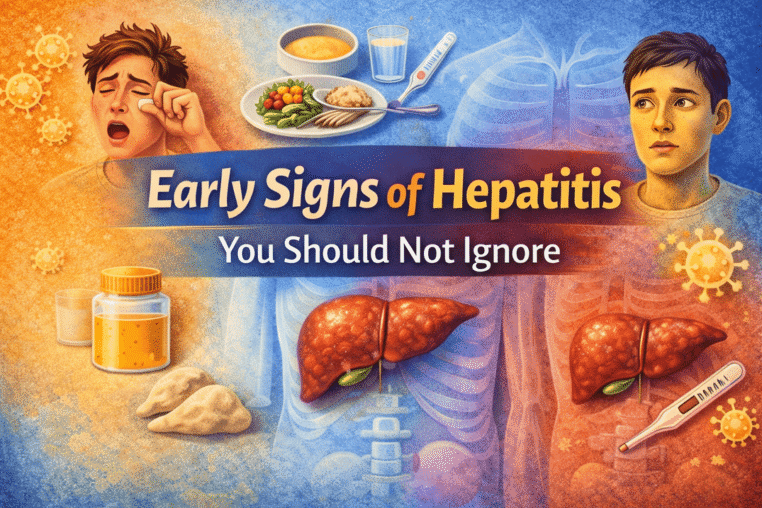
Noticing the first signs of hepatitis is important because early discovery can notably enhance treatment results and caution long-period health issues.
Why Early Detection Matters
A lot of individuals with hepatitis, specifically Hepatitis B and Hepatitis C, sometimes do not sight effects in the start. The illness can destroy the liver without the affected person noticing.
Early diagnosis allows:
- swift medical attention
- stopping of liver issues
- lowers chances of passing the infection to somebody else
Common Early Signs of Hepatitis
1. constant weakness
One of the first and most well known signs is abnormal tiredness.
- Feeling exhausted even after much rest
- Low strength to carry out daily activities
This occurs because the liver is not working efficiently, hampering energy production.
2. Loss of Appetite
A sudden reduction in appetite can be an early warning signal.
- You feel full very fast
- Food may appear less attractive
This signs often appears before more noticeable symptoms develop.
3. Nausea and Vomiting
Digestive discomfort is another early indicator.
- Feeling sick frequently
- sporadic throwing up
These signs occurs because the liver plays an important part in digestion.
4. Abdominal Pain or Discomfort
Ache in the upper right part of the abdomen may signal liver swelling.
- slight to moderate distress
- Feeling of completion
the liver is located somewhere at the abdominal area, making it an important area to track.
5. Dark Urine
Urine that appears dark color (usually coffee color) can be an early sign .
- triggered by too much bilirubin in the blood stream
- Sometimes comes before jaundice
6. Pale or Clay–Colored Stool
Alteration in stool color can show liver or bile flow complications.
- Stool may seem light or grey
- shows lessened bile production
7. Mild Fever
Some persons, specifically with Hepatitis A, may encounter a low-level fever.
- Slight rise in body temperature
- Often comes with tiredness and weakness
8. Joint and Muscle Pain
Body aches can sometimes happen in the first levels.
- Joint pain
- Muscle distress
This sign is more popular in viral hepatitis illness.
9. Jaundice (Yellowing of Skin and Eyes)
Jaundice is also one of the most noticeable signs, although it may show later
- Yellowing of the white part of the eyes
It happens due to the buildup of bilirubin in the bloodstream.
10. Itchy Skin
constant itching without a plain cause can be connected to liver problems.
- Caused by bile salts piling up in the skin
- May becomes worsen over sometime
Differences in Early Symptoms by Type
- Hepatitis A: Signs shows up fast and are usually more noticeable
- Hepatitis B: May begin with slight or no signs but can become crucial
- Hepatitis C: Often known as a “silent illness” because signs may not show for many years
When to See a Doctor
You should seek medical professional attention if you sight:
- Constant tiredness
- Change in eye or skin color usually yellowish
- Dark urine or coffee colored
Early testing and diagnosis can help stop issues and enhance result.
How to Reduce Your Risk
Practice Good Hygiene
- Wash hands regularly
- Get hydrated frequently (it should be clean water)
- Eat food that is prepared properly
Avoid Risky Behaviors
- Do not share personal belongings like razors and needle
- Practice safe sex(always use condom)
- Avoid unsterilized medical or cosmetic processes
Get Vaccinated
Vaccines are accessible for:
- Hepatitis A
- Hepatitis B
presently, there is no vaccine for Hepatitis C, making prevention specifically important.
Living a Liver-Healthy Lifestyle
Assisting your liver can help reduce the effect of hepatitis:
- Eat food with adequate nutrient
- Be physically active
- Avoid hard drinks
- keep a healthy weight
Conclusion
Hepatitis can start with slight signs that are easy to ignore. Signs like tiredness, less attractiveness to food, dark urine, and slight abdominal ache may seem minor but can indicate an underlying liver issues.
By looking closely to these first warning signs and seeking medical attention immediately, you can preserve your liver and stop serious issues. consciousness, prevention, and early action are important to maintaining long-period healthy lifestyle.