
 Written by
 Your liver is one of the most hardworking organs in your body, it filters toxins from the blood, supports digestion, and helps regulate hundreds of metabolic processes. When the liver becomes inflamed due to a viral infection or other causes, the resulting condition is called hepatitis. Left undiagnosed or untreated, hepatitis can progress silently and cause serious, long-term liver damage.
This guide breaks down everything you need to know about hepatitis, from the earliest warning signs and the different types to the most effective modern treatment options, so you can make informed decisions about your liver health.
What Is Hepatitis?
Hepatitis is a medical term for inflammation of the liver. While viral infections are the most common cause, hepatitis can also result from excessive alcohol use, certain medications, autoimmune disorders, or exposure to toxic substances. The condition may be short-lived (acute) or persist for more than six months (chronic), depending on the type and how quickly it is diagnosed and treated.
Types of Hepatitis
Understanding the different types is the first step toward proper management.
Hepatitis A is a short-term viral infection spread through contaminated food and water or close contact with an infected person. It almost always resolves on its own without causing lasting liver damage.
Hepatitis B is caused by the hepatitis B virus (HBV), which spreads through blood, sexual contact, or from mother to child during birth. Acute hepatitis B often clears up in adults, but in some cases, especially when contracted in infancy, it becomes a chronic (lifelong) condition that raises the risk of liver cirrhosis and liver cancer.
Hepatitis C is primarily transmitted through blood-to-blood contact, most commonly via shared needles or unscreened blood transfusions. Unlike hepatitis B, there is no vaccine for hepatitis C, but it is now highly curable with modern medications.
Hepatitis D only occurs in people already infected with hepatitis B and can make the condition more severe.
Hepatitis E is similar to hepatitis A in that it spreads through contaminated water. It is usually self-limiting but can be dangerous during pregnancy.
Alcoholic and Autoimmune Hepatitis are non-viral types. Alcoholic hepatitis results from prolonged heavy drinking, while autoimmune hepatitis occurs when the immune system mistakenly attacks liver cells.
Common Hepatitis Symptoms
One of the biggest challenges with hepatitis is that many people experience no symptoms at all, especially in the early stages. This is particularly true for hepatitis B and C, which is why regular screening is so important for at-risk individuals.
When symptoms do appear, they may include:
- Fatigue and general weakness: often one of the first and most persistent signs
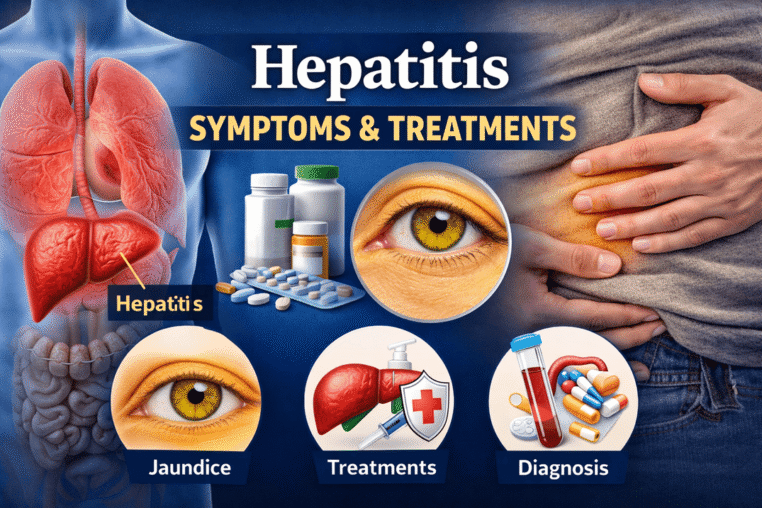
- Jaundice: a yellowing of the skin and whites of the eyes caused by a buildup of bilirubin in the blood
- Abdominal pain or discomfort, particularly in the upper right area where the liver is located
- Dark-colored urine, which may appear brown or tea-colored
- Pale or clay-colored stools
- Nausea, vomiting, and loss of appetite
- Low-grade fever, especially with acute hepatitis A or E
- Joint pain and muscle aches
- Unexplained itching of the skin
Acute hepatitis symptoms may appear suddenly and feel similar to a severe flu. Chronic hepatitis symptoms tend to develop more gradually and can be mistakenly attributed to stress or aging.
How Is Hepatitis Diagnosed?
If you or your doctor suspect hepatitis, a series of blood tests can confirm the diagnosis. These typically include:
- Liver function tests (LFTs) to measure enzyme levels and assess how well the liver is functioning
- Viral hepatitis panels to identify whether HBV, HCV, or other viruses are present
- Antibody and antigen tests to determine the stage of infection
- Liver biopsy or imaging (ultrasound, CT, MRI) in cases where chronic disease or scarring (fibrosis) is suspected
Early diagnosis allows for timely intervention, which significantly improves long-term outcomes.
Hepatitis Treatment Options
medications relay on the kind and seriousness of the illness.
Hepatitis A and E
These types typically resolve without specific medical treatment. Rest, proper hydration, and avoiding alcohol and medications that stress the liver are the main recommendations. Most people recover fully within weeks to months.
Hepatitis B
Acute hepatitis B in adults usually clears on its own. Chronic hepatitis B, however, may require long-term antiviral therapy. Medications such as tenofovir and entecavir help suppress the virus, reduce liver inflammation, and lower the risk of serious complications. While these drugs do not eliminate the virus entirely, they can keep it under control and protect liver function over time.
Hepatitis C
Hepatitis C treatment has been transformed in recent years. Direct-acting antiviral (DAA) medications, such as sofosbuvir-based regimens, can cure hepatitis C in most patients within 8 to 12 weeks, with cure rates exceeding 95%. This is a remarkable advance that has changed hepatitis C from a potentially life-threatening chronic disease to a manageable and curable condition.
Alcoholic Hepatitis
The most important level is abstaining from hard drinks intake entirely. In moderate to severe cases, doctors may prescribe corticosteroids or pentoxifylline to reduce liver inflammation.
Autoimmune Hepatitis
This type is treated with immunosuppressive medications, typically prednisone alone or in combination with azathioprine, to reduce the immune response attacking the liver.
Preventing Hepatitis
Prevention is far more effective than treatment. Key protective measures include:
- Vaccination: Safe and highly effective vaccines exist for hepatitis A and B. The hepatitis B vaccine is recommended for all infants and unvaccinated adults.
- Safe food and water practices: Especially when traveling to regions where hepatitis A and E are prevalent.
- Safe sex practices: Using barrier contraception helps reduce the risk of hepatitis B and C transmission.
- Avoiding shared needles or personal items like razors and toothbrushes, which may carry blood.
- Routine screening: Regular blood tests for hepatitis B and C are recommended for anyone in a high-risk group, including healthcare workers, people with multiple sexual partners, and those who use intravenous drugs.
When to See a Doctor
You should consult a healthcare provider if you notice jaundice, persistent fatigue, or unexplained abdominal pain. If you have been exposed to someone with hepatitis, have a history of high-risk behaviors, or are pregnant, prompt medical evaluation is essential. Early detection and treatment can prevent serious complications such as cirrhosis, liver failure, or liver cancer.
Conclusion
Hepatitis is a serious but manageable condition when identified and treated early. Whether you are concerned about symptoms, seeking prevention strategies, or managing a diagnosis, understanding the full picture of hepatitis empowers you to take meaningful steps toward better liver health. Always consult a qualified healthcare professional for personalized medical advice and treatment.