
 Written by
 Hepatitis B is a liver illness gotten from the hepatitis B virus (HBV). It happens to many people worldwide and can vary from a short-period illness to a long-period situation (deadly). While there is no easy “home remedy,” a lot of persons can manage Hepatitis B carefully at home with the right habits, medical directions, and lifestyle repositioning.
This guide explains safe, pragmatic ways to support your health at home while dealing with this deadly illness, and when it’s necessary to seek the medical attention.
Understanding Hepatitis B
Hepatitis B majorly affects the liver and can spread through collision with infected blood or body fluids. Some people regain fully, while others becomes more chronically affected.
Common Symptoms
- Tiredness
- Not having appetite
- Throwing up
- Feeling discomfort at the abdominal region
- Yellowing of the skin and eyes (jaundice)
Some persons may not show signs at all, especially in the beginning levels.
Can Hepatitis B Be Treated at Home?
It’s ideal to know: Hepatitis B cannot be erased completely with home remedies alone. notwithstanding, home support plays a major part by:
- assisting liver function
- Decreasing signs
- stopping complications
- Improving general quality of life
Medical attention is still important, more specifically for Deadly situation.
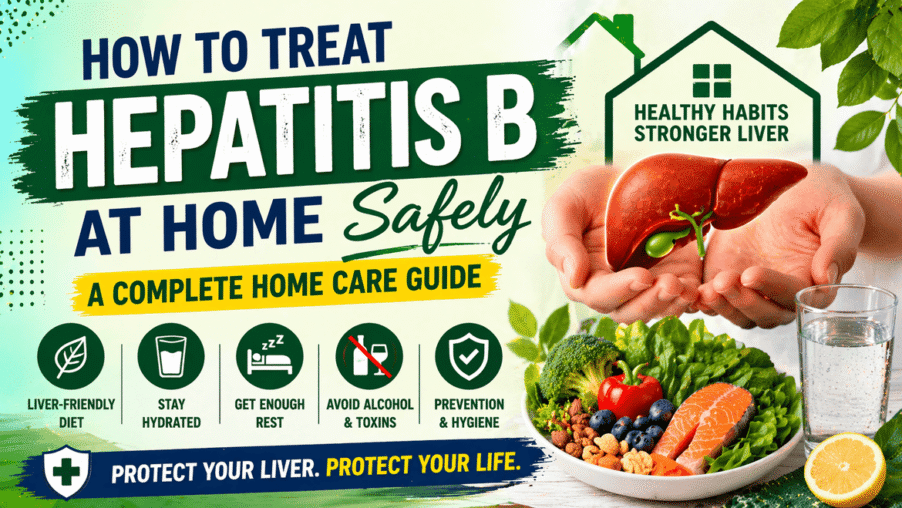
Safe Ways to Manage Hepatitis B at Home
1. Resting your body very way
Your system requires strength to tackle infection and repair liver cells. Take note of:
- 7-9 hours of rest daily
- adequate rest periods in the day
Tiredness is common, so withdraw from working too hard.
2. Stay Hydrated
Taking enough water helps your system flush out toxins and regulates liver function.
- target for 6-8 glasses of water everyday
- Avoid consuming too much soda content.
3. Go with a Liver–Friendly Diet
The kind of meal(food) you take in the body will help to manage Hepatitis B.
Foods to Eat
- Eat mostly vegetables and fruits(rich in antioxidants)
- Whole grains
- Eat mostly meat with little fat like fish chicken e t c
- Take in mostly healthy fats (nuts, seeds, olive oil)
Foods to Avoid
- Alcohol (very harmful to the liver)
- Fried or oil containing foods
- Packaged or processed foods
- Too much intake of sugar and salt or avoid it if need be.
A balanced diet reduces workload on your liver and enhance recovery.
4. Avoid Alcohol Completely
Alcohol increases liver damage and speed up the rate of disease advancing. Even minute amounts can be dangerous if you are positive to Hepatitis B.
5. Use Medications Carefully
If medications are not used correctly could foster Hepatitis B progression.
- Avoid self-prescription
- Always seek consent of medical personnel before taking new medications
- Be care about taking herbal supplement (it could be dangerous)
6. Maintain Good Hygiene
To protect others:
- Avoid sharing personal belongings like razors or toothbrushes
- Cover exposed wounds or injuries
- Indulge in safe sex practices
These guides will assist in curbing the transmission of the Deadly virus.
7. Manage Stress
Deadly illness can be emotionally draining.. Stress may affect your overall being or health.
Use this:
- Not so serious exercise(walking, stretching)
- Relaxation skills or meditation
- Having people to talk to or group conversation
8. Monitor Your Health Regularly
Even if you feel okay, frequent medical check-ups should be prioritize.
Doctors may check:
- Liver function
- Viral load
- Symptoms of complications
Home care should always add up to, not replace, medical care.
Natural Remedies: What You Should Know
Some natural remedies are often suggested for liver health, but caution is important.
Commonly Mentioned Options
- Turmeric
- Garlic
- Green tea
While these may assist general health conditions, they are not necessary solutions for Hepatitis B. Always seek the attention of a healthcare expert before trying any herbal medications.
When to See a Doctor Immediately
Seek medical expert attention if you experience:
- Critical abdominal pain
- Regular throwing up
- Confusion or inability to pay attention
- Swelling in the legs
- Yellowing of skin or eyes
These could be signs of serious liver situation.
Preventing the Spread of Hepatitis B
Protecting others is an important part of managing the illness.
Key Prevention Tips
- Ensure close contacts get vaccinated
- Avoid sharing of personal belongings
- If you want to indulge in sex use protection
- Get the doctors updated about your condition
Vaccination is highly effective in preventing the virus infection.
Living a Healthy Life with Hepatitis B
Many people with Hepatitis B live long, healthy lives by managing the condition proper
Healthy Habits to Follow
- Eat a balanced meal
- Exercise frequently, but it should not be intense
- Abstain from alcohol or taking of substance
- Go for doctors appointment regularly
Consistency is key to maintaining liver health.
Myths About Treating Hepatitis B at Home
Myth 1: Herbal remedies can cure Hepatitis B
There is no factual evidence that herbal medication could cure Hepatitis B.
Myth 2: You don’t need a doctor if symptoms are mild
Even without signs, the virus can still destroy your liver.
Myth 3: Diet alone can cure the diseases.
Diet is important but cannot eradicate the virus completely.
Conclusion
Controlling Hepatitis B at home can be actualize and important, but it necessary to use balanced approach. Healthy eating, adequate rest, regular water intake, and abstain from dangerous substances like alcohol can significantly improve your quality of life.
Notwithstanding, home care is not to be replaced for medical treatment. Regular check-ups and Expert guidance are important to prevent the unknown and monitor your situation.
By simultaneously using safe home practices with good medical attention, you can live a healthy and Accomplished life, even with Hepatitis B.