
 Written by
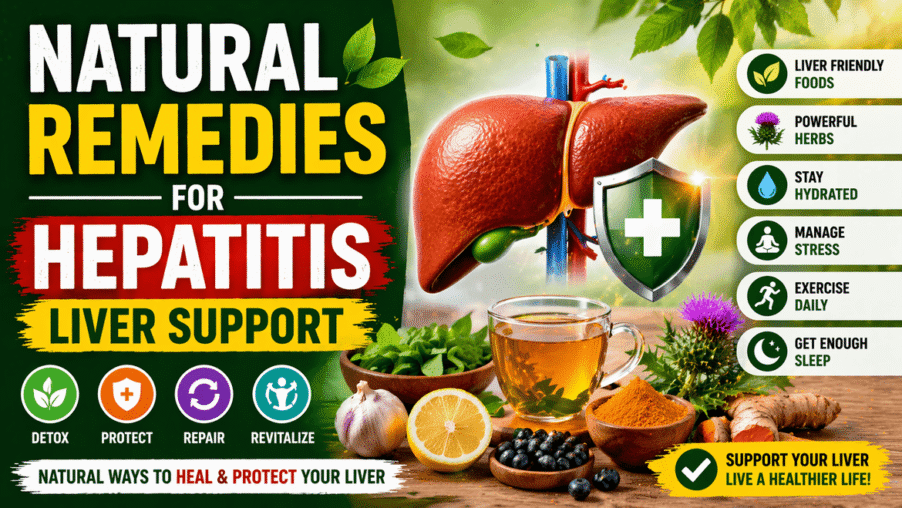
 Hepatitis, inflammation of the liver can result from viral infections (hepatitis A, B, or C), alcohol use, toxin exposure, or autoimmune conditions. While conventional medical treatment is essential and should never be replaced, many people wonder whether natural remedies can help support liver health during recovery. The good news is that several evidence-informed herbs, dietary strategies, and lifestyle habits may complement your doctor’s care plan.
Understanding Hepatitis and Why Liver Support Matters
The liver is one of the body system crucial organ. It filters toxins from the blood, metabolizes nutrients, produces bile for digestion, and regulates hundreds of chemical processes. When hepatitis strikes, inflammation impairs these critical functions.
Supporting liver health through natural means focuses on reducing oxidative stress, easing inflammation, and giving your liver the nutritional tools it needs to regenerate healthy cells. These approaches work best alongside, not instead of, prescribed antiviral medications or other treatments recommended by your physician.
1. Milk Thistle (Silymarin): The Most Researched Liver Herb
Milk thistle is arguably the most well-studied herbal remedy for liver conditions. Its active compound, silymarin, is a powerful antioxidant that may help protect liver cells from damage caused by toxins, viruses, and inflammation.
Several clinical studies suggest silymarin may reduce liver enzyme levels (ALT and AST), which are markers of liver inflammation. It is commonly used in Europe as a complementary treatment for liver disease. Available as capsules, tablets, or liquid extract, milk thistle is generally considered safe when taken at recommended doses.
Tip: Look for standardized extracts containing 70–80% silymarin. adhere to medical personnel description.
2. Turmeric and Curcumin: Nature’s Anti-Inflammatory
Turmeric, the golden spice used in cooking for centuries, contains curcumin, a potent anti-inflammatory and antioxidant compound. Research suggests curcumin may help reduce liver inflammation, inhibit liver cell damage, and slow the progression of fibrosis (scar tissue buildup) in chronic liver disease.
Adding turmeric to your daily diet through teas, soups, or golden milk is a gentle way to incorporate it. For therapeutic effects, curcumin supplements (combined with black pepper extract for better absorption) are more concentrated options worth discussing with your doctor.
3. Licorice Root: A Traditional Remedy with Modern Evidence
Licorice root has a long history in both Eastern and Western herbal traditions for treating digestive and liver complaints. Its active compound, glycyrrhizin, has shown anti-inflammatory and antiviral properties in research studies, including some focused specifically on hepatitis B and C.
In Japan, intravenous glycyrrhizin preparations have been used medically to manage chronic hepatitis. Oral licorice root supplements should be used with caution and only short-term, as excess consumption can raise blood pressure. Always seek the consent of a medical personnel before use.
4. Dandelion Root: A Gentle Liver Tonic
Often dismissed as a garden weed, dandelion root is a traditional liver tonic that may stimulate bile production, support digestion, and provide antioxidant protection to liver cells. Animal studies have shown promising results for reducing liver inflammation, and while more human trials are needed, dandelion root tea remains a popular, low-risk supportive remedy.
It is rich in vitamins A, C, and K, as well as potassium and iron, all nutrients that contribute to overall wellness.
5. Diet: The Foundation of Liver Health
No herbal remedy can outperform a consistently healthy diet when it comes to liver support. Consider these dietary guidelines if you have hepatitis:
Increase antioxidant-rich foods: Colorful fruits and vegetables such as berries, leafy greens, beets, and cruciferous vegetables (broccoli, Brussels sprouts) help combat oxidative stress.
Choose healthy fats: Olive oil, avocados, and fatty fish (rich in omega-3s) can help reduce liver fat and inflammation.
Limit sugar and refined carbs: Excess sugar converts to fat in the liver, worsening inflammation.
Avoid alcohol completely: Even small amounts of alcohol are toxic to an inflamed liver.
Stay hydrated: Water supports the liver’s detoxification processes and aids kidney function.
Reduce sodium intake: High sodium contributes to fluid retention, a common complication of liver disease.
6. Vitamin E and Other Antioxidant Supplements
Vitamin E is a fat-soluble antioxidant that has been studied in the context of non-alcoholic fatty liver disease and chronic hepatitis. Some research indicates it may help reduce liver inflammation and injury. However, high-dose vitamin E supplementation carries its own risks, so medical guidance is essential before starting.
Other supportive nutrients include zinc, selenium, and N-acetyl cysteine (NAC), which helps replenish glutathione, the liver’s primary internal antioxidant.
7. Lifestyle Habits That Protect Your Liver
Beyond herbs and diet, everyday lifestyle choices play a major role in liver health:
Get regular, moderate exercise: Physical activity reduces liver fat and improves metabolic function. Aim for at least 30 minutes of walking or light aerobic activity most days.
Maintain a healthy weight: Excess body fat, particularly around the abdomen, increases the risk of fatty liver disease and worsens hepatitis outcomes.
Avoid unnecessary medications and supplements: Many over-the-counter drugs, especially acetaminophen (paracetamol), are processed by the liver and can be harmful in high or frequent doses.
Manage stress: Chronic stress raises cortisol levels, which can impair immune function and worsen inflammation. Practices like yoga, meditation, and deep breathing support both mental and physical health.
Get enough sleep: Sleep is when the body carries out most of its cellular repair. Poor sleep is linked to impaired immune function and increased inflammation.
8. Green Tea: An Everyday Liver Protector
Green tea is packed with catechins, a family of plant antioxidants that have demonstrated liver-protective effects in research. Regular consumption of green tea (2–3 cups daily) has been associated with lower liver enzyme levels and reduced risk of liver disease. It also provides a gentle energy boost without overburdening the liver the way caffeine-heavy beverages can.
Avoid green tea extracts in concentrated supplement form, as paradoxically, very high doses have been associated with liver toxicity in rare cases.
Final Thoughts: Natural Remedies as Complementary Care
Natural remedies for hepatitis are not a cure, but they can be meaningful allies when used responsibly alongside conventional treatment. Milk thistle, turmeric, licorice root, a nutrient-rich diet, and smart lifestyle habits each contribute to a liver-supportive environment that may help reduce inflammation, protect liver cells, and improve your quality of life.
Always communicate openly with your healthcare provider about any supplements or dietary changes you are considering. Together, you can build a holistic, safe, and effective approach to managing hepatitis and protecting your long-term liver health.