
 Written by
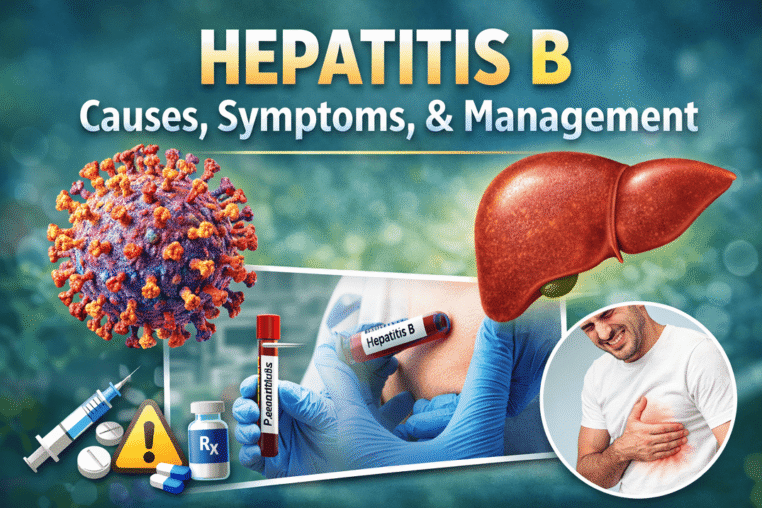
 Hepatitis B is a serious liver infection caused by the Hepatitis B virus (HBV). It is one of the most common infectious diseases worldwide and can range from a short-term illness to a long-term (chronic) condition that may lead to liver damage if not properly managed.
Understanding how Hepatitis B spreads, recognizing its symptoms early, and knowing how to manage it safely are essential steps toward protecting your health and that of others.
What Is Hepatitis B?
Hepatitis B is a viral infection that targets the liver. It can be classified into two main types:
- Acute Hepatitis B: A short-term illness that occurs within the first six months of infection
- Chronic Hepatitis B: A long-term condition that can last a lifetime and may lead to complications like liver cirrhosis or liver cancer
Many people with Hepatitis B may not show symptoms immediately, which is why awareness and testing are important.
Causes of Hepatitis B
Hepatitis B is caused by the Hepatitis B virus (HBV), which spreads through contact with infected body fluids.
Common transmission routes include:
1. Contact with Infected Blood
- Sharing needles or syringes
- Unsafe blood transfusions
- Exposure in healthcare settings without proper protection
2. Unprotected Sexual Contact
- Having sex without protection with an infected person
- Higher risk with multiple partners
3. Mother-to-Child Transmission
- A pregnant woman can pass the virus to her baby during childbirth
4. Sharing Personal Items
- Razors, toothbrushes, or sharp objects contaminated with blood
5. Unsafe Medical or Cosmetic Procedures
- Unsterilized equipment used in tattooing or piercings
Hepatitis B is not spread through casual contact like hugging, shaking hands, or sharing food.
Symptoms of Hepatitis B
Symptoms of Hepatitis B can vary from mild to severe, and some people may not experience any symptoms at all, especially in the early stages.
Common symptoms include:
- Fatigue and weakness
- Fever
- Loss of appetite
- Nausea and vomiting
- Abdominal pain (especially in the upper right side)
- Dark-colored urine
- Pale stools
- Yellowing of the skin and eyes (jaundice)
When symptoms appear:
Symptoms usually develop 1 to 4 months after infection. In chronic cases, symptoms may remain silent for years while liver damage progresses.
Complications of Chronic Hepatitis B
If not properly managed, chronic Hepatitis B can lead to serious health issues such as:
- Liver cirrhosis (scarring of the liver)
- Liver failure
- Liver cancer
Regular monitoring is important to prevent these complications.
Diagnosis of Hepatitis B
Hepatitis B is diagnosed through blood tests that detect the presence of the virus or antibodies.
Common tests include:
- HBsAg (Hepatitis B surface antigen)
- Anti-HBs (antibody test)
- HBV DNA test (measures viral load)
Early diagnosis helps in effective management and reduces the risk of spreading the virus.
Management of Hepatitis B
While there is currently no complete cure for chronic Hepatitis B, it can be effectively managed with proper medical care and lifestyle adjustments.
1. Medical Treatment
Doctors may prescribe antiviral medications to:
- Reduce the amount of virus in the body
- Slow down liver damage
- Lower the risk of complications
Treatment depends on the severity of the infection and liver condition.
2. Regular Monitoring
People with chronic Hepatitis B should:
- Have routine blood tests
- Monitor liver function
- Undergo regular medical check-ups
This helps detect any complications early.
3. Healthy Lifestyle Choices
A strong and healthy lifestyle supports liver function and overall well-being.
Key habits:
- Eat a balanced diet rich in fruits and vegetables
- Stay physically active
- Get enough rest
4. Avoid Alcohol and Toxins
Alcohol can worsen liver damage and should be avoided completely if you have Hepatitis B.
Also, be cautious with medications and herbal supplements, as some may harm the liver.
5. Prevent Transmission to Others
If you are living with Hepatitis B:
- Practice safe sex
- Do not share personal items
- Inform healthcare providers of your condition
- Ensure close contacts get vaccinated
Prevention of Hepatitis B
Prevention remains the most effective way to control the spread of Hepatitis B.
1. Vaccination
The Hepatitis B vaccine is safe and highly effective. It is recommended for:
- Infants
- Healthcare workers
- People at higher risk
2. Safe Practices
- Use sterile needles and medical equipment
- Avoid unsafe blood transfusions
- Practice good hygiene
3. Screening and Testing
Regular testing is important, especially if you:
- Have multiple sexual partners
- Work in healthcare
- Are pregnant
Early detection can prevent complications and transmission.
Living with Hepatitis B
Being diagnosed with Hepatitis B can feel overwhelming, but many people live long and healthy lives with proper management.
Tips for living well:
- Follow your doctor’s advice
- Stick to treatment plans
- Maintain a healthy lifestyle
- Seek support when needed
Common Myths About Hepatitis B
Let’s address some misconceptions:
- ❌ “Hepatitis B can be spread through casual contact”
→ Not true. It requires contact with infected body fluids. - ❌ “There is a quick natural cure”
→ No proven natural cure exists. Medical management is essential. - ❌ “Only certain people get infected”
→ Anyone can be at risk without proper precautions.
Final Thoughts
Hepatitis B is a preventable and manageable condition when you have the right knowledge. Understanding its causes, recognizing symptoms early, and following proper management strategies can make a significant difference in health outcomes.
Vaccination, safe practices, and regular medical check-ups remain the foundation of prevention and control. If you suspect exposure or experience symptoms, seeking medical advice early is crucial.
Taking proactive steps today can help protect your liver and ensure a healthier future.