
 Written by
 Every year, millions of new hepatitis infections occur around the world, many of which are entirely preventable. Hepatitis, which refers to inflammation of the liver caused primarily by viral infection, is responsible for nearly 1.1 million deaths annually and remains one of the leading causes of liver failure, cirrhosis, and liver cancer globally.
What makes this statistic so striking is that the majority of those infections could have been avoided through awareness, simple lifestyle changes, and proactive health decisions. You do not need expensive medications or complex medical procedures to significantly reduce your risk. In many cases, the most powerful tools available are natural, accessible, and backed by solid science.
This complete guide walks you through practical, evidence-informed strategies to prevent hepatitis infection naturally, protecting your liver for the long term.
Understanding Hepatitis: A Brief Overview
Before diving into prevention, it helps to understand what you are protecting yourself against. Hepatitis is caused by five main viruses: A, B, C, D, and E. Each spreads differently and carries different risks.
- Hepatitis A and E spread primarily through contaminated food and water, making sanitation and hygiene your first line of defense.
- Hepatitis B, C, and D spread through infected blood, unprotected sexual contact, or from mother to child during childbirth, requiring a different set of protective measures.
Knowing the transmission routes is the foundation of an effective prevention strategy.
1. Get Vaccinated – Your Single Most Effective Shield
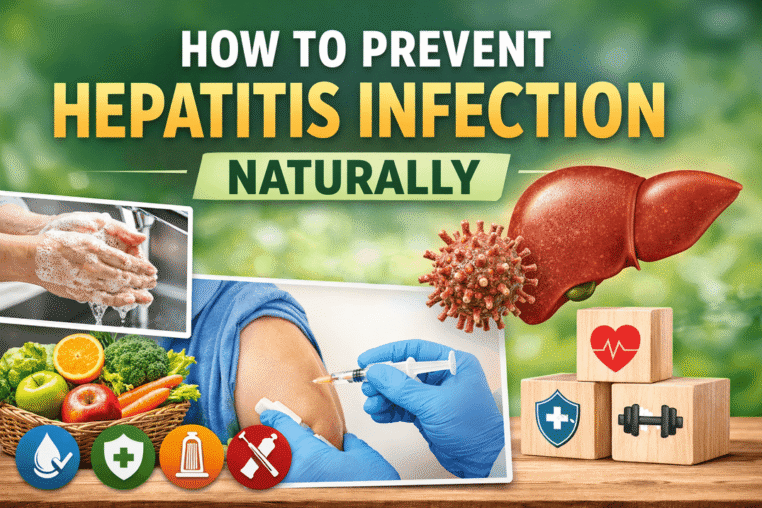
Vaccination is the most powerful natural immune response your body can develop against hepatitis. Safe and highly effective vaccines exist for hepatitis A and hepatitis B, providing long-lasting protection for the vast majority of people who receive them.
- The hepatitis A vaccine is typically given in two doses and offers immunity for up to 20 years or more.
- The hepatitis B vaccine is given in a three-dose series and is considered highly protective, with immunity lasting decades for most recipients.
Vaccination is strongly recommended for children, healthcare workers, travelers to high-risk regions, and anyone with chronic liver conditions. Getting vaccinated is not just about protecting yourself, it also breaks the chain of transmission within your community.
2. Practice Rigorous Hand Hygiene
One of the simplest yet most overlooked hepatitis prevention strategies is consistent, proper handwashing. Hepatitis A and E viruses spread easily through the fecal-oral route, meaning they can contaminate hands, surfaces, food, and water.
Wash your hands thoroughly with soap and clean running water for at least 20 seconds:
- After using the toilet
- Before preparing or eating food
- After changing diapers or caring for someone who is ill
- After handling raw meat, fish, or poultry
In situations where soap and water are unavailable, an alcohol-based hand sanitizer of at least 60% alcohol concentration offers a reliable alternative.
3. Be Mindful of What You Eat and Drink
Foodborne hepatitis A infections are extremely common in regions with poor sanitation infrastructure. Taking control of your food and water intake is a natural and highly effective prevention measure.
Safe practices include:
- Drinking only bottled, boiled, or properly filtered water when in areas with uncertain water quality
- Avoiding raw or undercooked shellfish such as oysters and clams, which can harbor hepatitis A
- Washing all fruits and vegetables thoroughly under clean running water before eating
- Avoiding street food or raw salads in regions with limited food safety standards
- Using separate cutting boards for raw meat and produce to prevent cross-contamination
When traveling internationally, the phrase “boil it, cook it, peel it, or forget it” is a reliable guiding principle.
4. Avoid Sharing Personal Items and Needles
Hepatitis B and C are bloodborne viruses, meaning they can survive outside the body and be transmitted through even microscopic traces of infected blood. This makes certain everyday habits surprisingly high-risk.
Never share the following items, even with people you trust:
- Razors and electric shavers
- Toothbrushes
- Nail clippers and manicure tools
- Needles, syringes, or any drug injection equipment
- Ear-piercing or tattooing equipment that has not been properly sterilized
If you use injectable drugs, always use new, sterile needles and seek support from a local harm reduction program. For tattoos or piercings, choose only reputable studios that follow strict sterilization protocols.
5. Practice Safe and Informed Sexual Behavior
Hepatitis B is significantly more contagious than HIV and can be transmitted through unprotected sexual intercourse. Hepatitis C, while less efficiently transmitted sexually, can still spread under certain conditions.
Protective measures include:
- Using barrier methods such as condoms consistently and correctly during sexual activity
- Getting tested regularly for hepatitis B, C, and other sexually transmitted infections if you have multiple partners
- Discussing vaccination and testing status openly with sexual partners
- Limiting the number of sexual partners to reduce overall exposure risk
Open communication and shared responsibility are fundamental components of naturally reducing your hepatitis risk.
6. Support Your Immune System Through Nutrition
A well-functioning immune system is your body’s internal defense network against viral infections, including hepatitis. Nourishing it through a balanced diet provides a layer of natural protection.
Foods that support liver health and immunity include:
- Leafy green vegetables(spinach, kale, broccoli) , rich in antioxidants and anti-inflammatory compounds
- Garlic and onions :contain allicin and sulfur compounds known to support liver enzyme activity
- Cruciferous vegetables :broccoli, Brussels sprouts, and cauliflower activate liver detoxification pathways
- Turmeric: its active compound curcumin has demonstrated anti-inflammatory and liver-protective properties in multiple studies
- Green tea: rich in catechins, which have been studied for their potential liver-protective effects
- Citrus fruits: vitamin C-rich foods support immune function and liver cell regeneration
- Whole grains, legumes, and lean protein: provide the building blocks for healthy cellular repair
Staying adequately hydrated, limiting processed foods, and reducing added sugar also help reduce the metabolic load on your liver.
7. Limit Alcohol and Avoid Unnecessary Toxin Exposure
Even moderate alcohol consumption can impair liver function and make it more vulnerable to infection and inflammation. When it comes to protecting against hepatitis, reducing alcohol intake is a meaningful preventive choice.
Similarly, be cautious about:
- Over-the-counter pain relievers such as acetaminophen, which can stress the liver in excessive amounts
- Unregulated herbal supplements and detox products, many of which have not been safety-tested and some of which are known to be hepatotoxic
- Occupational exposure to industrial chemicals, solvents, and pesticides, use appropriate protective equipment at all times
The goal is to minimize unnecessary chemical burden on the liver so it can perform its protective functions efficiently.
8. Get Screened Regularly If You Have Risk Factors
Hepatitis B and C can remain dormant in the body for years or even decades without producing obvious symptoms. During this silent phase, the virus continues to damage the liver steadily. Regular screening allows for early detection and intervention before serious complications develop.
Speak with your doctor about testing if you:
- Were born between 1945 and 1965 (a generation with elevated hepatitis C prevalence)
- Have ever shared injection drug equipment
- Received blood transfusions before modern screening protocols were established
- Were born to a hepatitis B-positive mother
- Live with or have had close contact with someone diagnosed with hepatitis
Early knowledge is early power, catching the infection before it advances dramatically improves treatment outcomes.
When to Consult a Healthcare Professional
Natural prevention strategies are powerful, but they are most effective when combined with professional medical guidance. See a doctor promptly if you notice symptoms such as jaundice (yellowing of the skin or eyes), persistent fatigue, dark urine, abdominal pain, or unexplained nausea, particularly after potential exposure to hepatitis.
Do not attempt to self-diagnose or self-treat a suspected hepatitis infection. A qualified healthcare provider can confirm your diagnosis and guide you through appropriate next steps.
Conclusion: Small Habits Build Lifelong Protection
Preventing hepatitis naturally is not about a single dramatic intervention, it is about building a collection of consistent, mindful habits that work together to protect your liver every day. From washing your hands and choosing safe foods to getting vaccinated, supporting your immune system, and staying informed through regular screening, every step you take compounds into meaningful, lasting protection.
Your liver works tirelessly to keep you healthy. Give it the support it deserves.